Source waterproof korean card sleeves for office, party, and gift uses
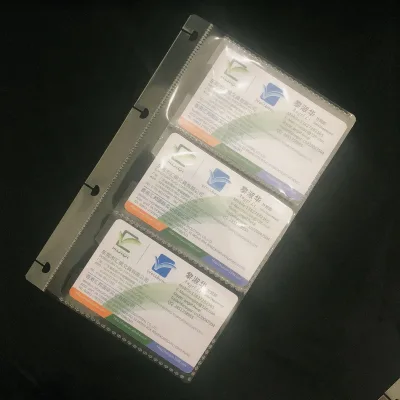
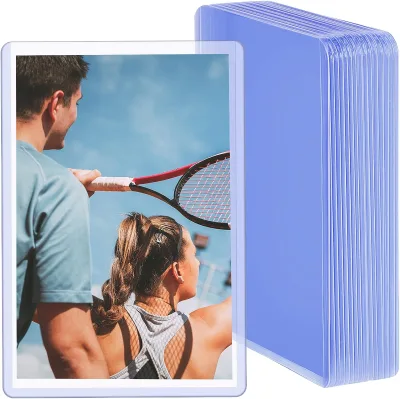
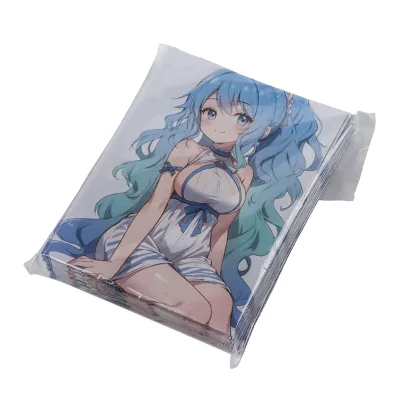
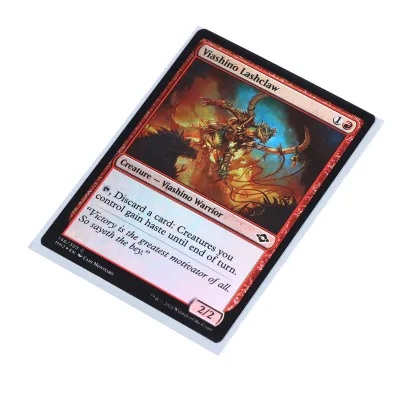
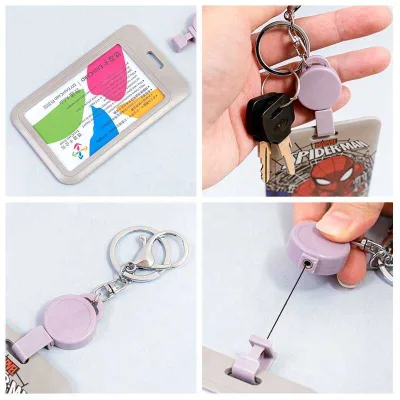
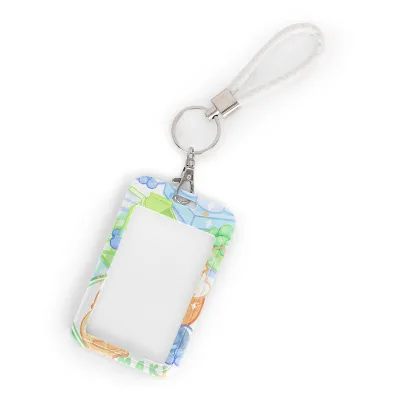
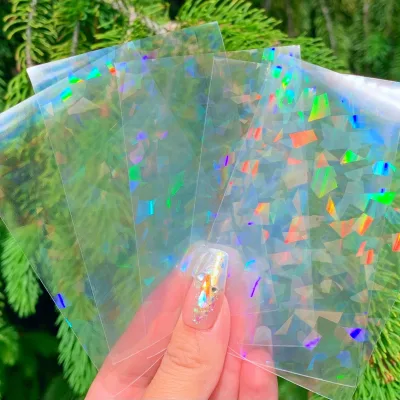
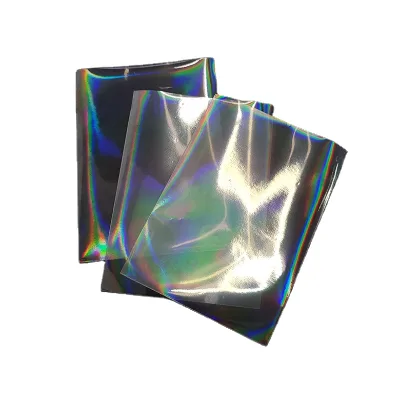
Explore 30 listings of waterproof korean card sleeves available from suppliers in Guangdong, China. Buyers can compare materials like PP and PVC, customization options, and pricing to find suitable card protectors for office, party, and gift applications.
Key considerations
Products List









Comprehensive Sourcing Guide
Strategic Sourcing Guide for Waterproof Korean Card Sleeves
The global demand for specialized card storage solutions has driven a significant shift toward products that combine aesthetic appeal with functional durability. When sourcing waterproof Korean card sleeves, buyers must navigate a market characterized by diverse material compositions, varying production capabilities, and specific design philosophies rooted in the "Korean style" trend. This guide provides a disciplined approach to identifying, evaluating, and procuring these items, relying strictly on observable product attributes and established industry practices to ensure a robust supply chain strategy.
Understanding Material Composition and Waterproof Capabilities
The foundation of any waterproof card sleeve lies in its material selection. In the current market, particularly within the Guangdong manufacturing hub, three primary materials dominate the landscape: Polypropylene (PP), Polyvinyl Chloride (PVC), and Polyurethane (PU). Each offers distinct advantages regarding water resistance, flexibility, and cost.
PP (Polypropylene) is frequently cited as a primary material for card protectors and sleeves. It is known for being lightweight, transparent, and possessing good chemical resistance. Products listed with PP materials often feature a "transparent" color profile and are designed for general card keeping, including business cards, credit cards, and ID cards. The material's rigidity can vary, but it generally provides a sturdy barrier against moisture.
PVC (Polyvinyl Chloride) represents another high-confidence option for waterproof applications. PVC sleeves are often thicker and more durable than their PP counterparts, offering superior protection against tearing and water ingress. In the observed product data, specific models utilize PVC for applications ranging from office documents to collectibles. The material is often associated with a "card holder wallet" or "card protector" classification, suggesting a higher level of structural integrity.
PU (Polyurethane) introduces a different texture and aesthetic, often aligning with the "Japan Style" or "Fashion" attributes observed in the market. While PU is excellent for a premium feel and flexibility, its waterproof claims should be verified against specific construction methods. Some listings indicate a mix of materials, such as "PP, Plastic, PP," which suggests that manufacturers may layer materials to enhance performance.
When evaluating waterproof claims, buyers should look for the "No closure" attribute in conjunction with the material type. A sleeve with no closure relies entirely on the material's density and the tightness of the fit to prevent water entry. In contrast, sleeves with zippers or snaps (if available in a specific listing) offer a mechanical seal. However, the observed data for "Korean style" card sleeves often emphasizes a minimalist "No closure" design, relying on the material's inherent properties to keep contents dry.
Technical Specifications and Design Attributes
The technical specifications of these card sleeves are critical for determining their suitability for specific use cases. The market data reveals a wide range of dimensions, reflecting the diverse needs of the industry. Standard sizes observed include 6389MM, which aligns with international credit card standards, and larger formats like 11.515.9 cm, suitable for business cards or ID documents.
The "Single package size" varies significantly, from compact 15.5X8.5X5 cm packages to larger 36X26X23 cm cartons. This variation impacts logistics and storage costs. Buyers must calculate the volumetric weight based on these dimensions to optimize shipping expenses. The "Single gross weight" also fluctuates, ranging from 0.003 kg for individual lightweight sleeves to 1.000 kg for bulk packaging, indicating that the weight of the packaging itself is a significant factor in the total shipment mass.
Design is a paramount consideration for "Korean" style products. The observed attributes include "Customized," "Japan Style," and "Fashion" designs. These terms suggest a focus on aesthetics, often incorporating clear windows, vibrant colors like "Blue" or "Multi," and sleek profiles. The "Printing" methods available include "Off-Set Print," "Thermal Transfer Printing," and "Digital Printing." These methods allow for high-quality branding and customization, which is essential for businesses seeking to brand their card sleeves as promotional gifts or corporate tools.
The "Model Number" and "Product Code" fields, such as "HQ," "HQ-103," and "DJ-43-136," serve as unique identifiers for specific SKUs. When sourcing, buyers should request these codes to ensure consistency in future orders. The "Application" field is equally broad, covering "Office," "Party," "Document," "Gift," "Trading Cards," and "Collectibles." This versatility means that a single product line can often serve multiple market segments, from corporate gifting to hobbyist card collections.
Compliance, Certification, and Quality Verification
In the realm of B2B procurement, compliance and certification are non-negotiable, yet the available data presents a nuanced picture. The only certification explicitly mentioned in the background information is "CE." However, this is categorized as a "low-confidence background" fact, meaning it should not be assumed as a guaranteed attribute for every product listed.
Buyers must treat the "CE" mention as a potential indicator of European market readiness but must verify the actual certification status with the supplier before finalizing any order. The absence of other specific certifications in the high-confidence facts suggests that many products may not carry formal third-party testing results for water resistance or chemical safety.
To mitigate risk, buyers should implement a rigorous verification process. This includes requesting test reports for water resistance, such as IP rating tests or specific immersion tests, rather than relying on marketing claims. The "feature" attribute in the data is listed as "Others," which is vague and underscores the need for explicit testing. Buyers should ask suppliers to provide data on the material's hydrophobic properties and the seam integrity of the sleeves.
Furthermore, the "OEM&ODM" attribute being "Highly Welcomed" indicates that suppliers are flexible regarding customization. This flexibility extends to compliance. If a buyer requires specific environmental certifications (e.g., REACH, RoHS) or safety standards for children's products, these must be explicitly requested and verified, as they are not inherent to the standard product descriptions provided.
Cost Drivers and Pricing Dynamics
The pricing structure for waterproof card sleeves is influenced by several key variables. The observed price range in the market spans from $0.02 to $1400 USD. This vast disparity is not indicative of a single product type but rather reflects the difference between individual unit costs and bulk packaging or specialized custom orders.
The Minimum Order Quantity (MOQ) is a primary cost driver. The data shows an MOQ range of 1 to 20,000 units, with a specific high-confidence fact noting an MOQ of 10,000 pieces for certain items. This suggests that the lowest unit prices are reserved for large-volume orders. Buyers ordering small quantities may face significantly higher per-unit costs or may need to source from suppliers with lower MOQ thresholds, which could impact the overall budget.
Material costs also play a crucial role. PVC and PU generally command higher prices than PP due to their durability and processing complexity. Additionally, the "Customized Logo" and "Customized Design" attributes add to the cost. The "Printing" method chosen—whether Off-Set, Thermal Transfer, or Digital—will affect the setup and per-unit cost. Digital printing is often more expensive for large runs due to higher material costs, while Off-Set is more economical for high volumes.
The "Packing" configuration, such as "100pcs/Bag" or "100 packs/carto," influences the final price. Bulk packaging reduces the cost per unit but requires more storage space. Buyers should balance the cost savings of bulk packaging against their warehousing capabilities. The "Selling Units" being listed as "Single item" suggests that some suppliers offer sample orders, which is useful for quality verification but comes at a premium.
Supplier Evaluation and Sourcing Channels
Evaluating suppliers for waterproof card sleeves requires a focus on their manufacturing capabilities and customization options. The "Place of Origin" is consistently listed as "Guangdong, China (Mainland)," a region known for its extensive plastic and packaging manufacturing infrastructure. This concentration of suppliers offers buyers a wide selection but also necessitates careful vetting to ensure quality consistency.
Key evaluation criteria include the supplier's ability to handle "OEM" and "ODM" requests. The data indicates that "Design: Accept OEM.ODM" and "Logo: Customized Logo" are standard offerings. Buyers should assess the supplier's design team's capability to translate "Korean style" aesthetics into physical products. The "Brand Name" field often lists "OEM" or "NA," indicating that many suppliers operate as contract manufacturers rather than branded retailers.
When assessing a supplier, buyers should verify their production capacity and lead times. While specific lead times are not provided in the data, the high MOQ of 10,000 pieces implies that suppliers are geared toward large-scale production. Buyers with smaller volume needs should seek out suppliers who can accommodate lower MOQs, potentially at a higher cost.
The "Style" attributes, such as "Japan Style" and "Fashion," suggest that suppliers are attuned to current trends. Buyers should request samples that reflect these styles to ensure the supplier can deliver the desired aesthetic. The "Color" options, ranging from "transparent" to "Blue" and "Multi," indicate a capacity for color customization, which is a valuable feature for branding.
Quality Control and Long-Term Procurement Strategies
Implementing a robust quality control (QC) strategy is essential for sourcing waterproof card sleeves. Given the variability in materials and the critical nature of water resistance, buyers should establish clear acceptance criteria. This includes visual inspections for defects, such as bubbles in the plastic, uneven printing, or rough edges.
For waterproof performance, buyers should consider third-party testing. Since the "CE" certification is not a guaranteed fact, relying on internal QC is insufficient. Buyers should define specific water resistance tests, such as submersion duration or spray tests, and require suppliers to adhere to these standards. The "Single gross weight" and "Single package size" data can be used to verify that the product matches the ordered specifications, ensuring that the material density and packaging are consistent.
Long-term procurement considerations involve building a relationship with suppliers who can scale with demand. The "MOQ" of 10,000 pieces suggests that suppliers are prepared for large orders, but buyers should negotiate flexible terms for future increases. The "Design: Customized Desgin" attribute implies that suppliers are willing to iterate on product designs, which is beneficial for long-term partnerships.
Buyers should also monitor the "Season" attribute, which is listed as "All Seasons." This indicates that the product is not subject to seasonal demand fluctuations, allowing for steady production planning. However, the "Printing" methods and material availability should be monitored, as supply chain disruptions can affect the production of specific materials like PVC or PU.
Comparative Analysis of Product Attributes
To facilitate decision-making, the following table summarizes the key attributes observed in the market for waterproof card sleeves:
| Attribute Category | Observed Options | Implications for Buyers |
|---|---|---|
| Material | PP, PVC, PU, Plastic | PP is lightweight and transparent; PVC offers durability; PU provides a premium feel. Verify waterproof claims for each. |
| Size | 6389MM, 11.515.9 cm, 15.5X8.5X5 cm | Match size to card type (Credit Card vs. Business Card). Check packaging dimensions for logistics. |
| Closure | No closure | Relies on material fit; verify water resistance through testing. |
| Printing | Off-Set, Thermal Transfer, Digital | Off-Set is cost-effective for large runs; Digital allows for complex designs. |
| MOQ | 1 - 20,000 (Common: 10,000) | High MOQs reduce unit cost but increase inventory risk. Negotiate lower MOQs for testing. |
| Origin | Guangdong, China | Hub for plastic manufacturing; verify supplier credentials and capacity. |
| Customization | Logo, Design, Color | High flexibility for branding. Ensure design files meet supplier requirements. |
Conclusion
Sourcing waterproof Korean card sleeves requires a meticulous approach that balances aesthetic requirements with functional performance. The market offers a diverse range of materials, from PP to PU, each with unique properties regarding water resistance and durability. Buyers must navigate the complexities of MOQs, pricing structures, and customization options to find the right fit for their needs.
By focusing on verified technical specifications, conducting rigorous quality control, and maintaining clear communication with suppliers in the Guangdong region, buyers can secure a reliable supply of high-quality card sleeves. The absence of guaranteed certifications like CE in the core data underscores the importance of independent verification and testing. Ultimately, a successful procurement strategy relies on understanding the nuances of the product attributes and aligning them with the specific demands of the target market.
FAQs
What materials are used for waterproof card sleeves?
The primary materials used are Polypropylene (PP), Polyvinyl Chloride (PVC), and Polyurethane (PU). PP offers transparency and light weight, while PVC provides superior durability and water resistance. PU is often selected for a premium fashion feel.
Which sizes are available for these card protectors?
Standard sizes include 63*89MM for credit cards and 11.5*15.9 cm for business cards. Specific models like HQ-103 and bf003 offer dimensions tailored for various document and collectible applications, ensuring a secure fit for different card types.
Can I customize the logo and design on the sleeves?
Yes, OEM and ODM services are highly welcomed for logo and design customization. Buyers can request customized logos and designs using printing methods such as Off-Set, Thermal Transfer, or Digital Printing to meet specific branding needs.
What is the typical minimum order quantity for these items?
The minimum order quantity varies, with some listings requiring 10,000 pieces. Other options allow for lower quantities starting from 1 unit, though bulk orders often yield better pricing. The specific MOQ depends on the chosen model and customization level.
Where are these card sleeves manufactured?
The products originate from Guangdong, China, a major manufacturing hub for plastic packaging. This location supports extensive production capabilities for various materials like PP and PVC, ensuring consistent supply for international buyers seeking these specific storage solutions.
How are the card sleeves packaged for shipment?
Packaging configurations typically include 100 pieces per bag or 100 packs per carton. The single package size varies significantly, ranging from compact 15.5X8.5X5 cm units to larger 36X26X23 cm cartons, affecting logistics and storage requirements.